One Friend’s reflection captured the texture of the month beautifully:
“Thanks for organising! Not sure what sort of report you’re after – but I can say it was a good experience and made much more enjoyable by joining this group. Have to confess I finished a day early as it was my dad’s best friend’s big Birthday and I hadn’t the heart to tell him I couldn’t eat the food and cake he’d prepared. So I’ll need to try again next year (if not before).
Highlights that will stick include: humous with lunch, switched to water-based porridge, vegan pizza, got used to drinking black tea at work (and might get hold of dried oat powder). Also appreciated feeling of doing a little worthwhile thing, and colleagues being extremely accommodating providing vegan alternatives to team cake including oreos, fruit pastilles and Greek biscuits.
Lowlights included: the cafe that only served vegan chips and a granola bar; discovering how many things contain milk powder, feeling a bit fatigued (probably didn’t fully offset for the protein I usually get from eggs) realising how much scientifically dubious writing is out there on both sides of the case on health benefits.
Enjoyed my first day off eating some leftover Christmas chocolate but already considering doing it again for Lent. Thanks for all the encouragement and inspiration! I’m going to stay in the group so that hopefully some of your rays of light continue to reach me and encourage me to keep up with being at least better than before!”
Another noted: “That’s so fab! I didn’t do Veganuary either; I did a sort of ‘soft launch’ into veganism, at my own pace, and never looked back. Everyone has a route that works for them.”
A late reflection arrived from a Friend in Kenya, revealing how cultural context shapes the vegan journey in profoundly different ways:
“Participating in Veganuary has been a refreshing and meaningful experience for me. Doing it as part of a team made it even more encouraging, knowing that what I was doing individually was also being done by many other friends. That sense of shared purpose gave me strength and motivation to stay committed.
In my normal lifestyle, I am already used to eating vegetables, so adapting to a plant-based diet did not feel overly complex. For several years, I had already reduced my intake of meat, especially beef. I still occasionally take goat or sheep meat, but not regularly. Because of this background, avoiding meat was not my biggest challenge during Veganuary.
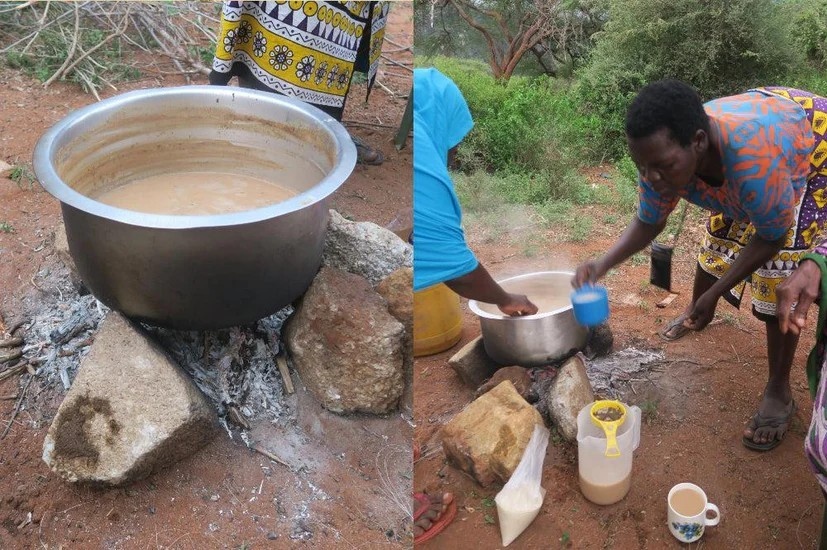
The real challenge for me was avoiding eggs and milk. In Kenya, milk is deeply embedded in daily life, especially when it comes to tea. For tea to be called tea in most Kenyan households, it is understood as milk plus tea leaves — that combination is what people recognize as proper tea. Tea without milk is often not considered tea at all. Black tea is usually given different names depending on the location or the community language. Nationally, the common slang used is ‘strong tea.’ If you visit someone and request ‘strong tea,’ you should expect to be served black tea. This term is widely understood across the country, although it may not be commonly used in five-star hotels.
However, even before Veganuary, I had already started adjusting my habits. Since last year, I have grown comfortable taking black tea, warm water, or herbal combinations such as cinnamon, hibiscus, and turmeric. This gradual adjustment made it easier for me to cope with avoiding milk during Veganuary.
Eggs were another difficult area. Eggs are among the quickest foods to prepare, especially when combined with sukuma wiki (kale) and ugali — a simple meal that is both filling and convenient. Interestingly, by the time I joined Veganuary, I had already bought ten eggs. By the end of the month, I still had seven left. This small but practical detail clearly shows that I made a deliberate effort to avoid them and remain committed to the challenge.
Fish was another personal struggle. I honestly still find it difficult to avoid fish. Even the aroma — especially of tilapia, which is very common here — feels like a phone ringing and demanding attention. This remains an area where I am still learning and gradually improving.
Perhaps the most culturally challenging aspect has been chicken (hen). In our culture, chicken is treated as something special, especially during visits and important occasions. If you visit someone and they do not prepare chicken for you, it can easily be interpreted as a sign of disrespect or a lack of appreciation for your visit. Chicken is deeply connected to hospitality, honor, and social relationships. Because of this strong cultural meaning, avoiding it requires sensitivity, understanding, and gradual change.
Overall, I truly appreciate the spirit of Veganuary. The experience has helped me become more intentional about my food choices, more disciplined, and more reflective about health, culture, and community. I am willing and motivated to continue with this lifestyle, fully aware that change is a step-by-step journey, not an instant transformation. Step by step, we are moving forward.”
This testimony powerfully demonstrates how veganism intersects with culture in ways British Friends might not immediately recognise. The linguistic dimension alone – where “tea” means milk-tea by default – reveals assumptions embedded in language itself. The chicken-as-hospitality question presents a genuine ethical dilemma perhaps not as pronounced in a European context: how does one honour both animal life and human relationship?